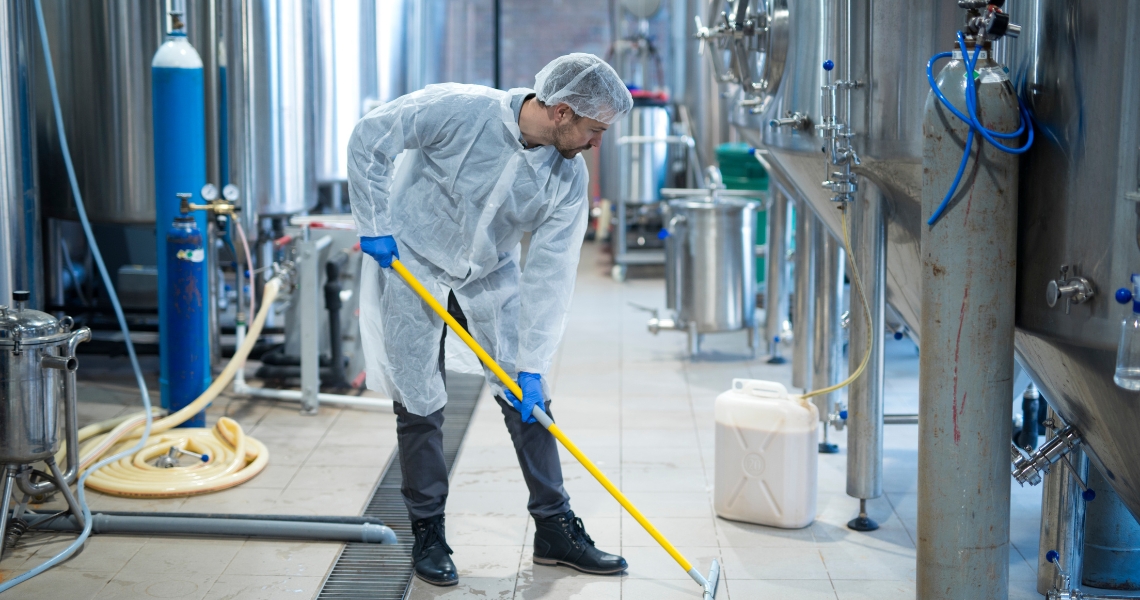

Industrial Cleaning
Industrial cleaning refers to the specialized cleaning processes used in industrial facilities, such as factories, warehouses, and manufacturing plants. This type of cleaning goes beyond regular cleaning and often involves the removal of hazardous materials, equipment maintenance, and ensuring compliance with safety regulations. Here are key aspects of industrial cleaning:
Key Components of Industrial Cleaning:
Types of Industries:
- Manufacturing
- Food processing
- Pharmaceuticals
- Oil and gas
- Automotive
- Chemical plants
Cleaning Methods:
- Pressure Washing: High-pressure water jets to clean large surfaces, machinery, and exterior areas.
- Steam Cleaning: Utilizes high-temperature steam to clean and sanitize surfaces, particularly in areas where chemicals are harmful or not desired.
- Dry Ice Blasting: A cleaning method using dry ice pellets to remove contaminants without leaving residue or damaging surfaces.
- Solvent-Based Cleaning: Using chemicals or solvents to break down oils, grease, and other tough residues.
- Ultrasonic Cleaning: Using sound waves in a liquid medium to clean delicate or small parts like industrial tools or electronics.
Key Areas Requiring Industrial Cleaning:
- Machinery and Equipment: Maintaining the cleanliness of machines is crucial for their longevity, efficiency, and safe operation. This often involves removing grease, grime, and other residues that can impact performance.
- Production Floors: Floors in manufacturing plants and warehouses often accumulate dust, oil, and chemicals, which need regular cleaning to avoid slipping hazards and ensure safety.
- Ventilation Systems: Industrial ventilation systems can become clogged with dust and contaminants, reducing air quality and efficiency. Regular cleaning is essential to maintain airflow and prevent fire hazards.
- Storage Areas: Warehouse storage areas often need regular cleaning to ensure safety and prevent the accumulation of hazardous materials.
Safety Considerations:
- Personal Protective Equipment (PPE): Workers involved in industrial cleaning need to wear proper PPE such as gloves, goggles, protective suits, respirators, etc., to protect themselves from harmful chemicals, fumes, or physical injuries.
- Proper Disposal: Cleaning processes, especially those that involve chemicals or hazardous materials, require careful disposal methods to avoid contamination and comply with environmental regulations.
- Training: Industrial cleaning workers need to be trained on the safe use of cleaning chemicals, equipment, and machinery to avoid accidents and maintain safety standards.
Cleaning Equipment:
- Industrial Vacuums: Specially designed vacuums to handle large debris or fine dust.
- Scrubbers: Machines that scrub floors and surfaces, often used in warehouses and manufacturing floors.
- Sweepers: Machines used to clear debris from large floor areas.
- Centrifugal and High-Pressure Pumps: Used in cleaning systems where fluids need to be circulated or removed.
Industry-Specific Industrial Cleaning:
- Food & Beverage: Cleaning and sanitizing are critical to prevent contamination and meet health standards.
- Pharmaceuticals: Cleanrooms must be carefully maintained to prevent contamination of sensitive products.
- Oil & Gas: Equipment and pipelines in oil and gas operations often require specialized cleaning methods, including degreasing and solvent-based cleaning.
- Automotive: Manufacturing facilities often use abrasive or ultrasonic cleaning to maintain precision parts and equipment.
Benefits of Industrial Cleaning:
- Safety: A clean environment helps reduce the risk of accidents, such as slip-and-fall incidents or equipment failure.
- Efficiency: Well-maintained machinery and equipment function more efficiently, reducing downtime and repair costs.
- Compliance: Many industries are regulated by health, safety, and environmental standards that require regular cleaning to meet legal obligations.
- Aesthetic Appeal: A clean factory or plant can improve the overall image of a business and promote a positive work culture.
Challenges in Industrial Cleaning:
- Large Areas: Industrial facilities are often vast, requiring large-scale cleaning equipment and teams.
- Tough Contaminants: Oil, grease, heavy dust, and other substances can be challenging to clean effectively.
- Regulatory Compliance: Different industries are governed by specific cleaning and sanitation standards, which require ongoing training and compliance.
Industrial cleaning is essential for maintaining the operational integrity, safety, and compliance of industrial facilities. It requires specialized techniques, equipment, and chemicals to address the unique challenges presented by industrial environments. Regular industrial cleaning helps improve productivity, ensures worker safety, and extends the life of machinery and equipment.